Today is World Book Day. The National Library takes the lead in implementing the "National Smart Library System Construction" for libraries at all levels across the country to realize the interconnection of national public cultural digital resources.
Artificial intelligence helps
The wisdom of public cultural services is upgraded again
This song-printed version of "Mr. Changli Collection" describes the spectacular scene of the River God splitting the mountains with his bare hands and saving a handful of river water. This year, the Chinese ancient book resource library was officially converted into a smart service platform for Chinese ancient book. Click the corresponding vernacular translation key. The AI model provides a comparison and translation of ancient books and vernacular Chinese. It is as easy and easy to read ancient books as reading vernacular books. AI technology also supports simplified and traditional Chinese translations of ancient books, vertical and horizontal version conversion reading, automatic punctuation and AI in-depth search functions.
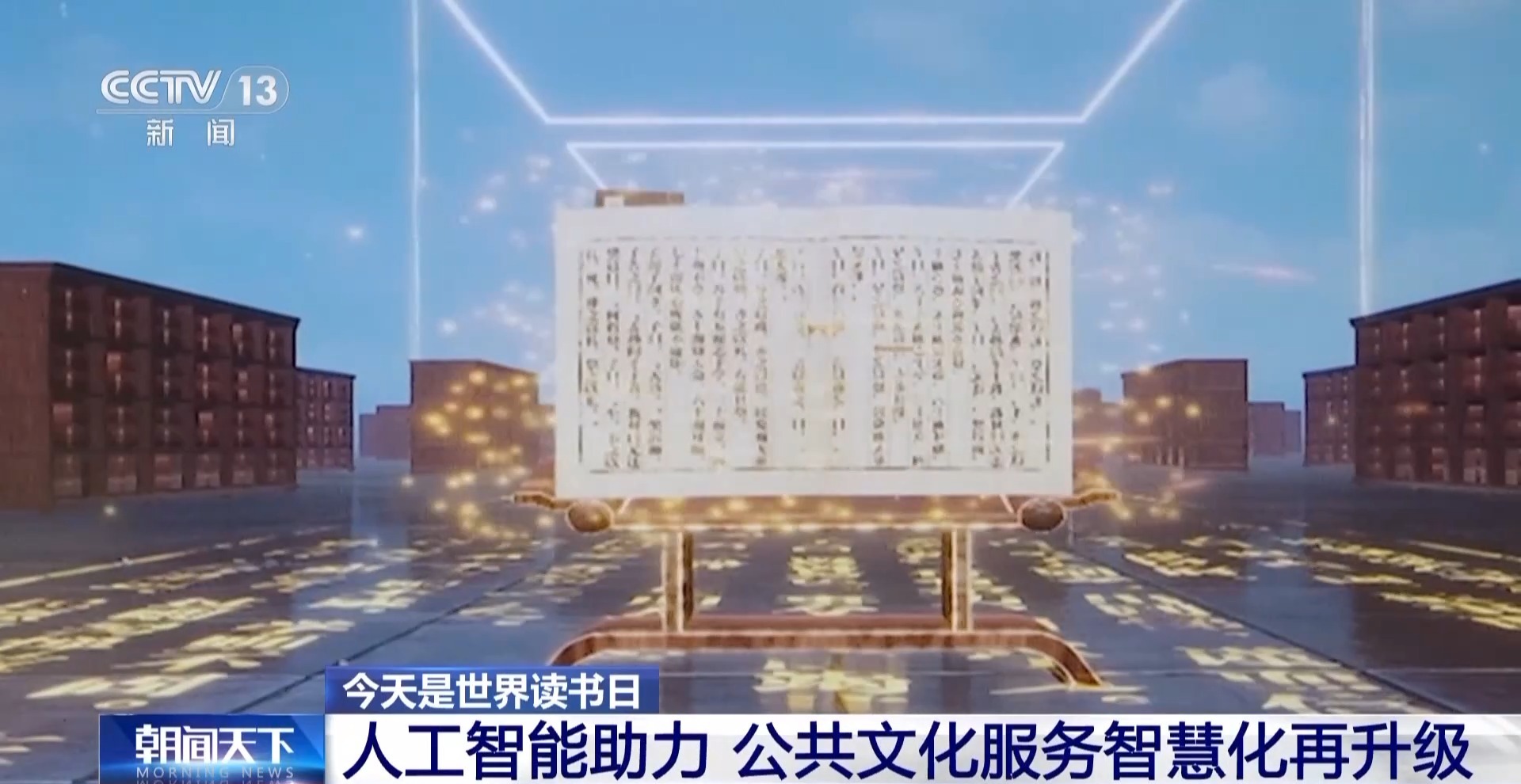
At present, this platform collects data on more than 4,400 national rare ancient books lists and more than 10,000 ancient books resources from provincial libraries across the country. It is also an important project in the "National Smart Library System Construction". The "wide network knowledge content centralized warehousing system alliance chain" established by the National Library is expected to achieve digital interconnection of public library resources this year.
Xie Qiang, Director of Digital Resources Department and Director of Information Technology Department of the National Library: Alliance Chain uses blockchain technology to improve the efficiency and accuracy of resource co-construction, sharing and common knowledge among various libraries. This is also a way to share resources in the future smart library construction process.
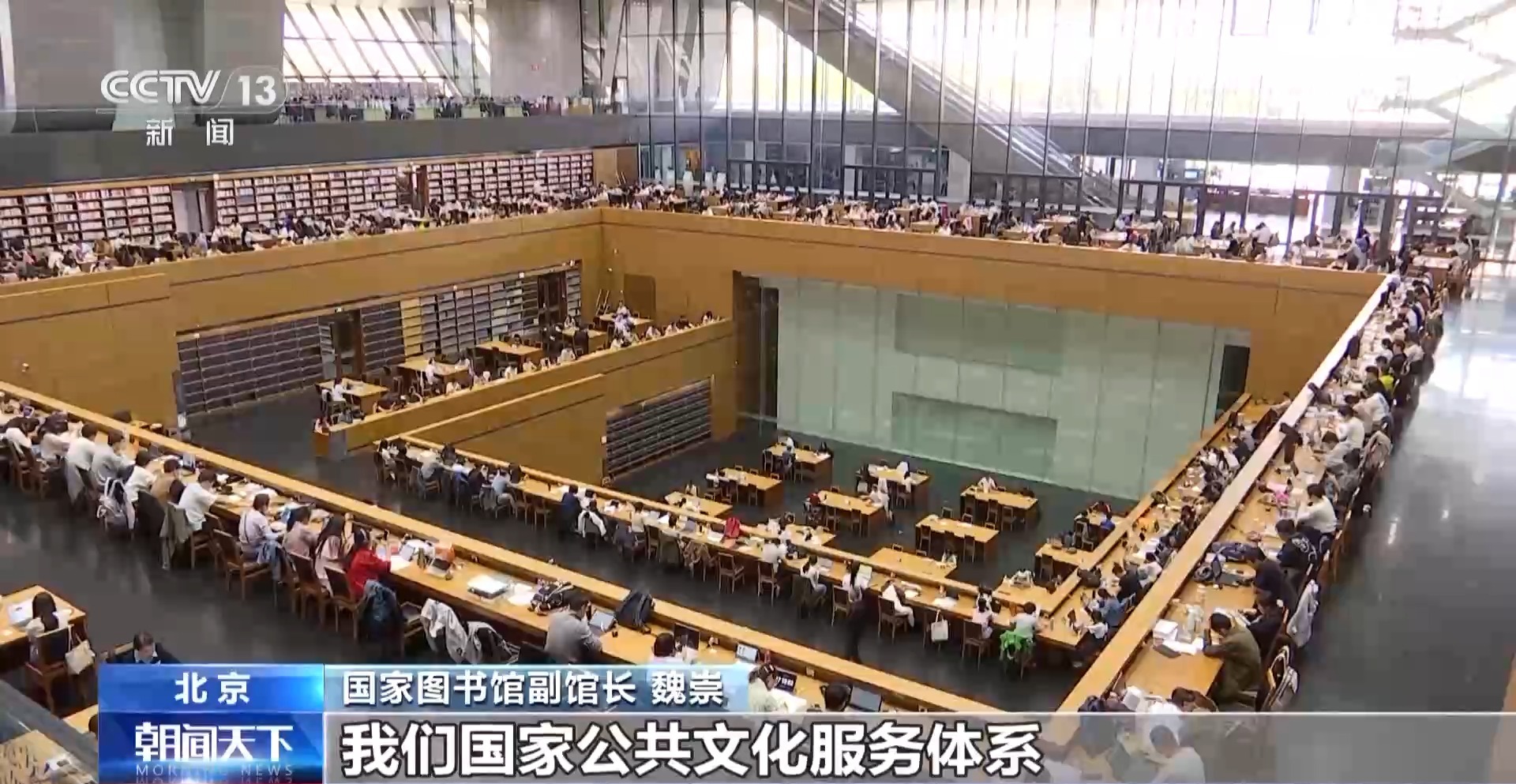
Deputy Director of the National Library Wei Chong: Our national public cultural service system includes more than 3,300 public libraries at or above the county level, with about 50,000 branches and service points, and 33,500 new public cultural spaces such as city study rooms and people's bookstores. Under the new era and new technical conditions, National Map and National Library have leveraged their advantages in knowledge and content to build a lifelong learning education system that can be participated in at all times, everywhere, and everyone can participate.
"AI+Library"
The future libraries will first take shape
At present, artificial intelligence technology has begun to be integrated into all aspects of serving readers in libraries. What are the new characteristics of "AI+Library"? What are the new features of AI librarians?
The Guangdong Provincial Zhongshan Library purchases about 300,000 new books every year. Under the traditional model, the new books need to go through 16 processes such as classification, cataloging, and labeling before they can be put on the shelves. The average daily processing volume of manual labor is less than 300 copies, and the shelves will be put on the shelves for 3 weeks. Using the "Turing" system, the cover scanning and automatic labeling of books in the museum are all intelligent. Using this editing and editing system, the latest 2,000 books in the museum completed the original 20 days of work process in just 10 minutes.
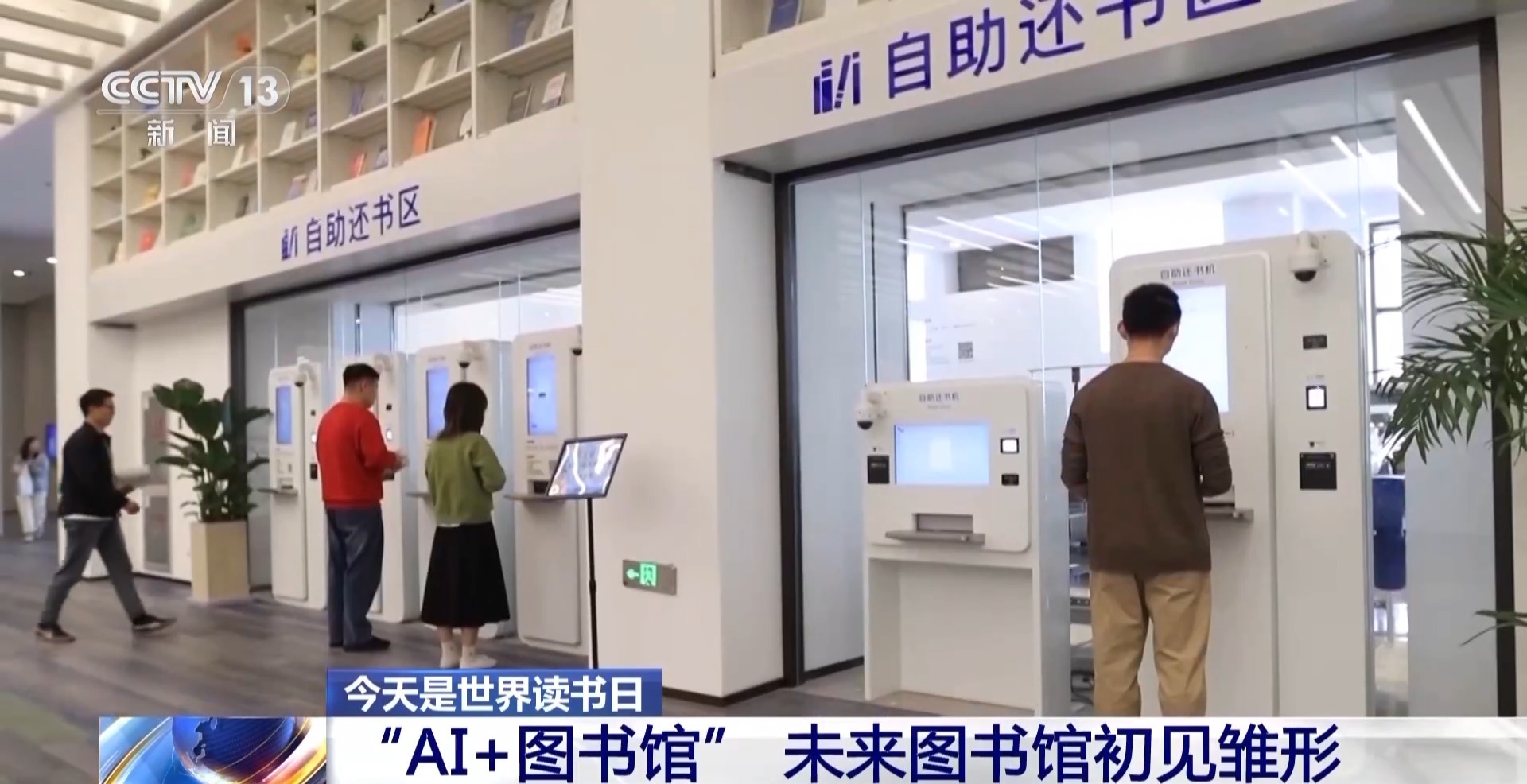
Zhejiang Library Zhijiang Library has just launched a new intelligent book return sorting system. The front-end book return machine quickly recognizes book information to complete the book return. The book is then transferred to the sorting truck and transported to the designated grid according to the sorting rules.
Mei Ying, Director of the Network and Digital Resource Center of Zhejiang Library: It can handle the return and sorting of 1,500 books in one hour. The sorting accuracy has increased from more than 95% of our manual requirements to more than 99.8% of the machine's ability to recognize.
Based on visual inventory technology and AI automation management, the current books come with their own positioning. Reader Zhang Ji wanted to find the book "Ordinary World", so mobile navigation took him to the front of the book.
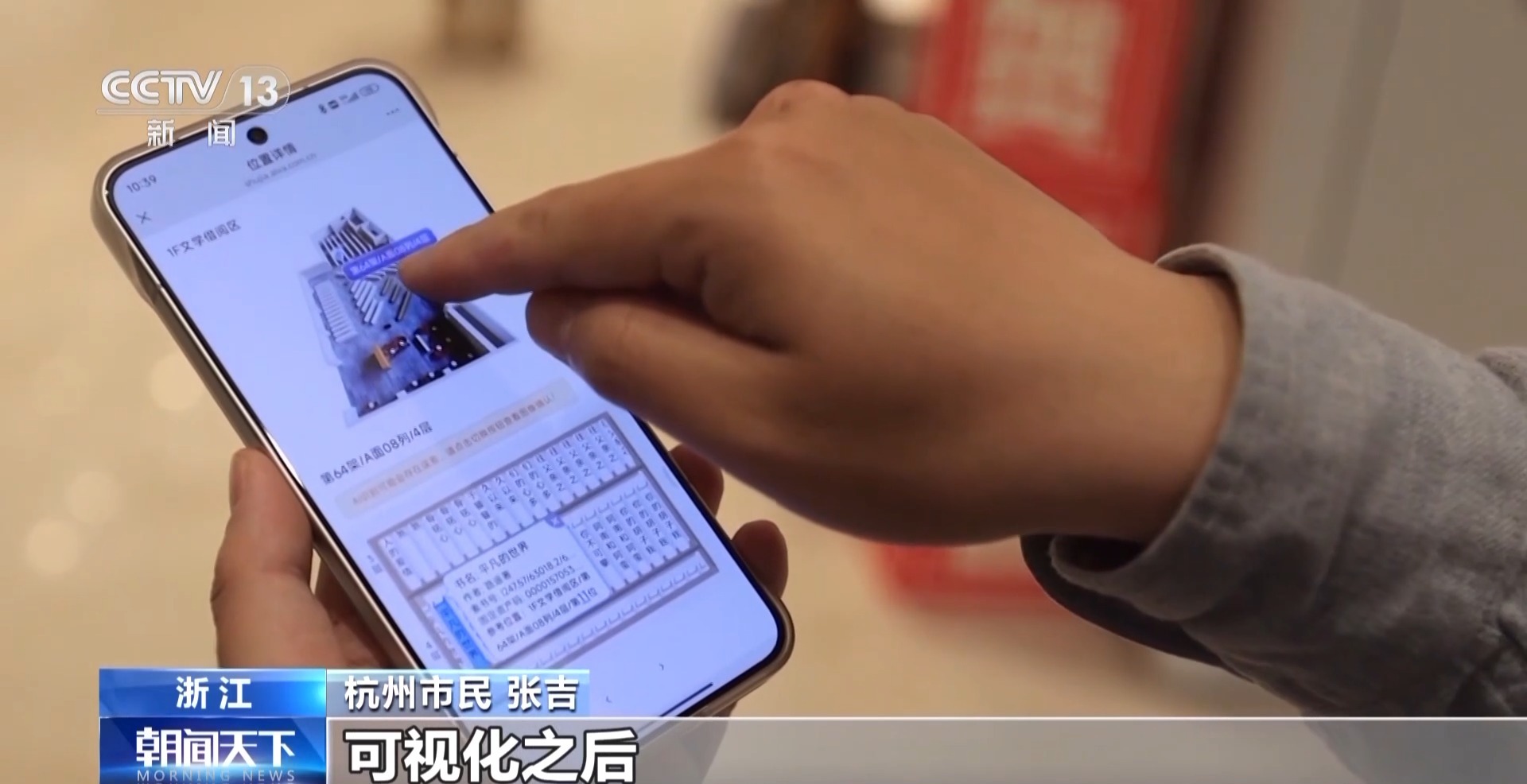
Hangzhou citizen Zhang Ji: I used to take more than ten minutes to find this book. After visualization, finding a book is like a map navigation.
In the Changsha Library, Hunan Province, you can automatically jump to the processing page through voice conversations with AI librarians. You can renew the book without making an appointment, queueing or online operations, and complete it in 3 seconds. According to the backend borrowing records, artificial intelligence can quickly understand readers' reading preferences, dynamically allocate collections, and realize personalized recommendations for reading books.