CCTV News: According to the China Manned Space Engineering Office, at 20:50 on March 21, 2025, Beijing time, after about 7 hours of out-of-cabin activities, the astronauts of the Shenzhou 19 crew successfully completed the third out-of-cabin activity.
At 13:45, astronaut Cai Xuzhe opened the door of the cabin and first left the cabin.
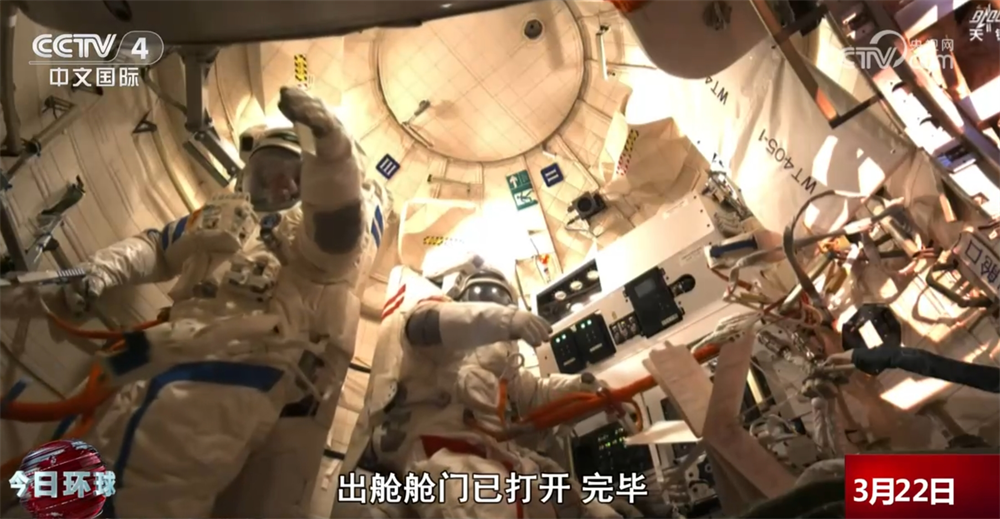
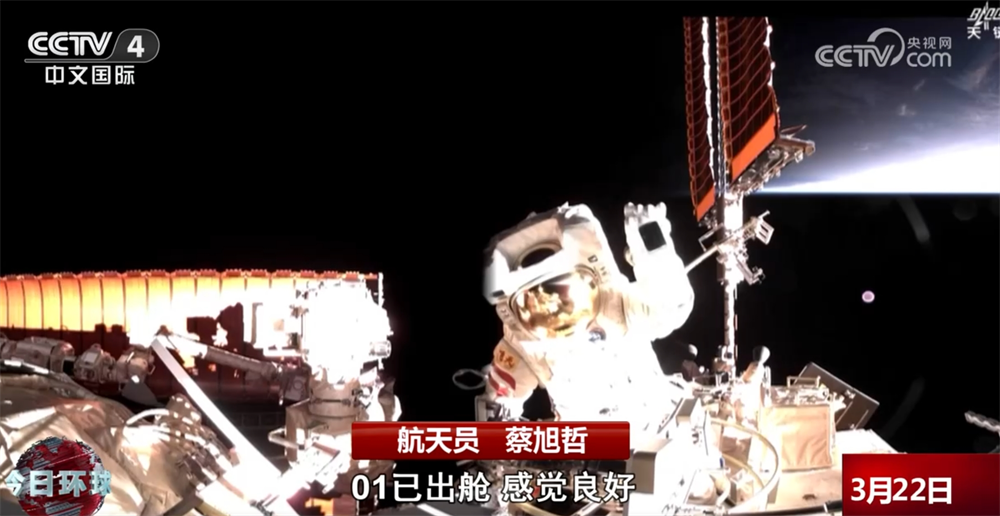
The robotic arm moved to the upper and lower arm points, and Cai Xuzhe boarded the robotic arm. Astronaut Song Lingdong passed the airlock cabin protection device to Cai Xuzhe at the exit hatch.
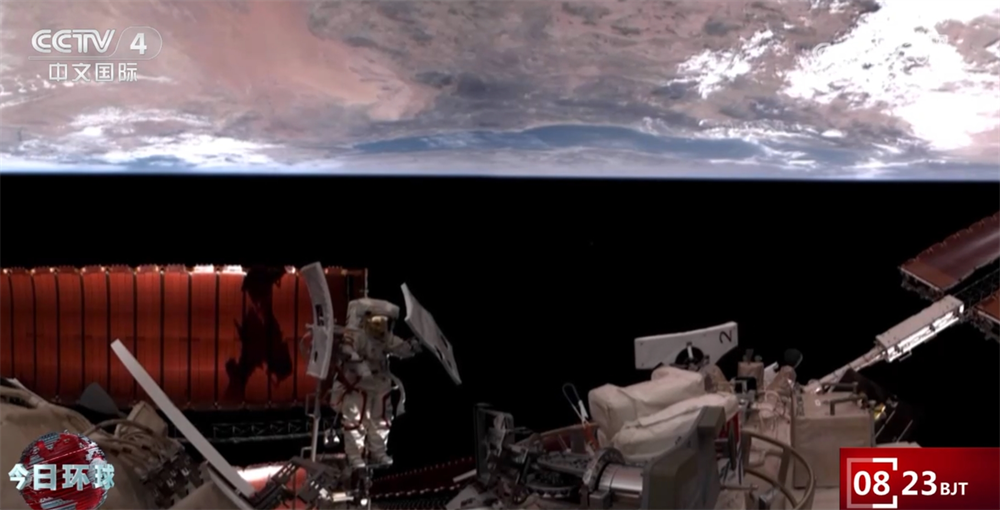
Cai Xuzhe took the robotic arm to transfer to the equipment point and began the installation operation.
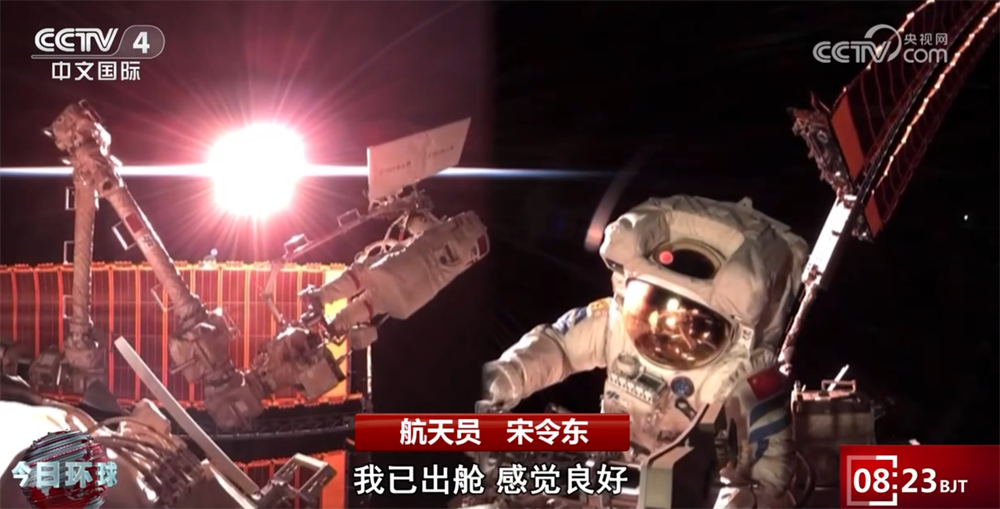
About 2 hours later, astronaut Song Lingdong also successfully left the cabin and climbed and moved to the annular handrail of the node cabin. As the robot arm moved to the out-of-cabin operating table transmission point, Song Lingdong cooperated with Cai Xuzhe to transmit and install the protective devices of the Wentian cabin and the airlock cabin, and installed the base of the node cabin fixing device. Astronaut Wang Haoze closely cooperated in the Tianhe core cabin.
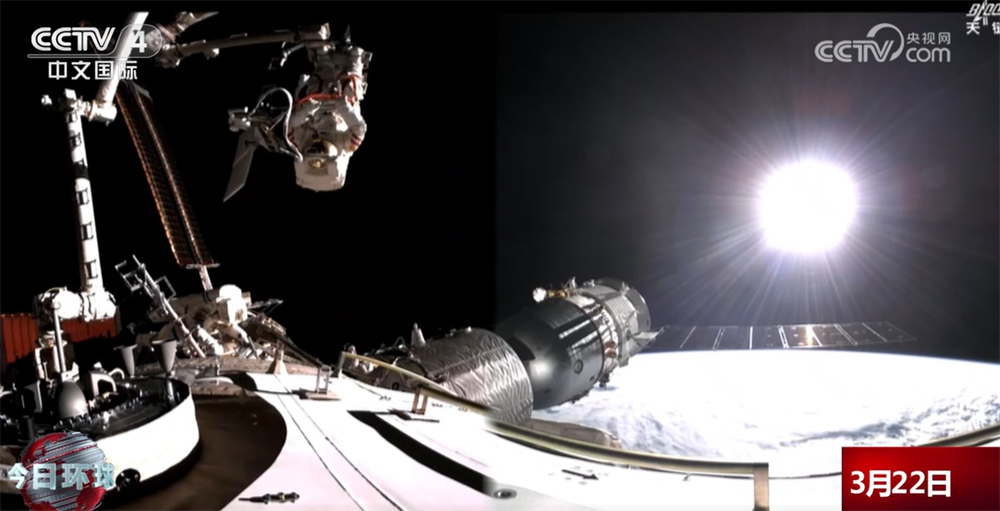
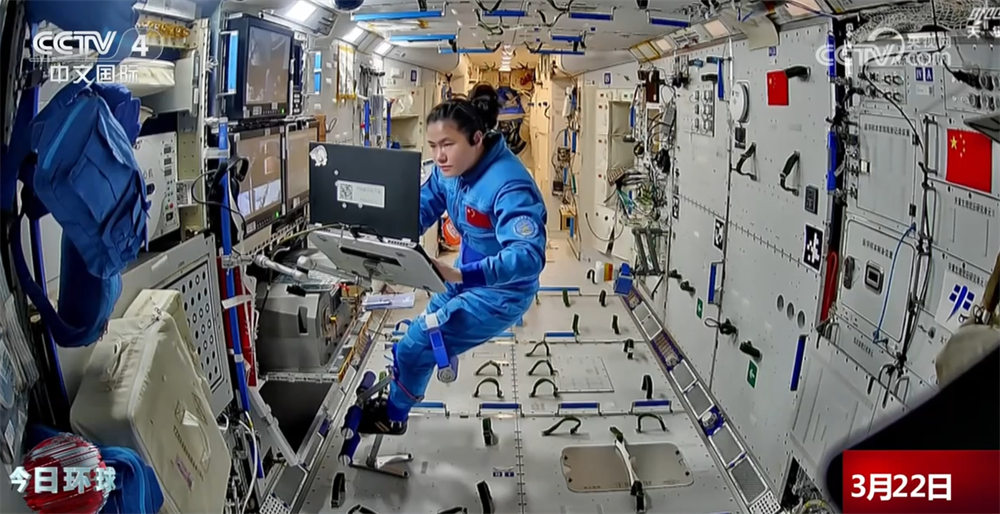
After completing the equipment installation work, Cai Xuzhe took the robotic arm to the inspection point of the interface of the space station to carry out shooting and inspection work. The outbound activity lasted about 7 hours. With the cooperation and support of the space station robotic arm and ground scientific researchers, the astronaut crew completed the installation of space debris protection devices and extra-cabin auxiliary facilities, and patrol of extra-cabin equipment facilities. Astronaut Cai Xuzhe has completed five out-of-cabin activities, becoming the Chinese astronaut with the most missions outside the cabin.
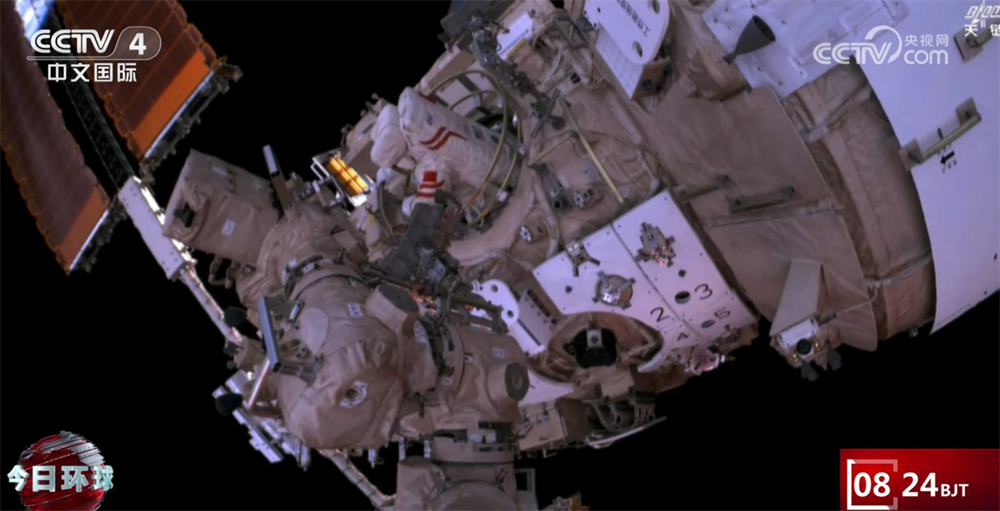
Wang Yanlei of the China Astronauts Scientific Research and Training Center said: "The astronauts performed very well in the cabin exit activities. First of all, all the operations were successful. All these alignments and installations were also very accurate, and they were a little faster than we expected. Therefore, the cooperation between the entire astronauts, including the cooperation of the world, was also very tacit, and it was also a perfect out-of-cabin exit activities."
At present, the "space business trip" of the Shenzhou 19 astronaut crew has been in nearly 5 months, and various space science practical (test) experimental tasks are progressing smoothly. According to the plan, the crew will return to Earth's home in more than a month.
Shenzhou 19 crew has achieved many results in the last five months in orbit
In addition to successfully completing this out-of-cabin event, the Shenzhou 19 crew has been in orbit for nearly five months, and has achieved many breakthrough results in the fields of space science experiments, aerospace technology verification and aerospace medical research.
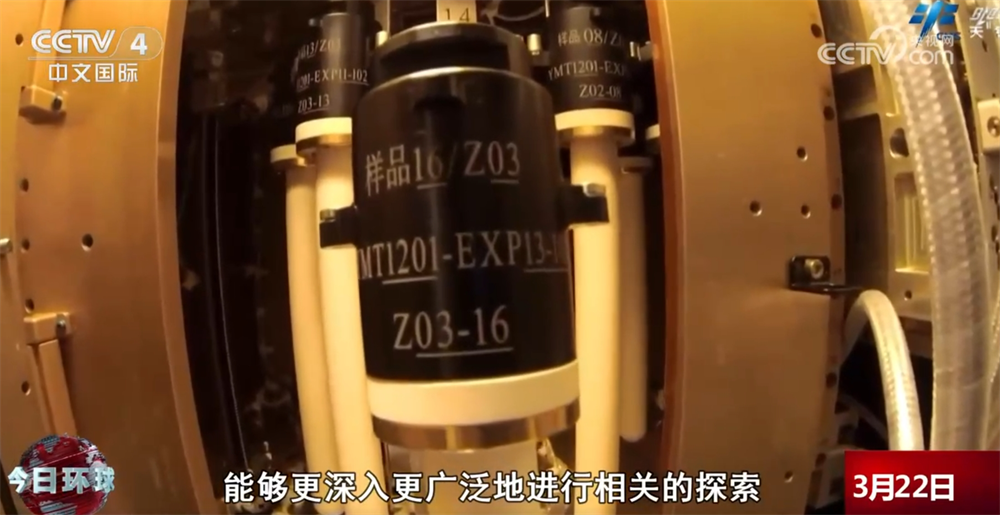
During orbit, the Shen 19th Crew Group focused on carrying out 86 space scientific research and technical experiments. In the field of space life sciences, the first fruit fly in orbit culture experiments on the Chinese space station were completed, and protein crystallization and in orbit experiments on five cell types were also carried out. These studies provide an important basis for studying life phenomena and their laws in microgravity environments. In the field of materials science, the Materials Exposure Experimental Device carries Tianzhou 8's experimental samples and completes the outflow task. These samples will return to the space station in the second half of this year. At the same time, container-free material experimental cabinets and high-temperature material experimental cabinets have also carried out a number of metal and non-metal experiments.
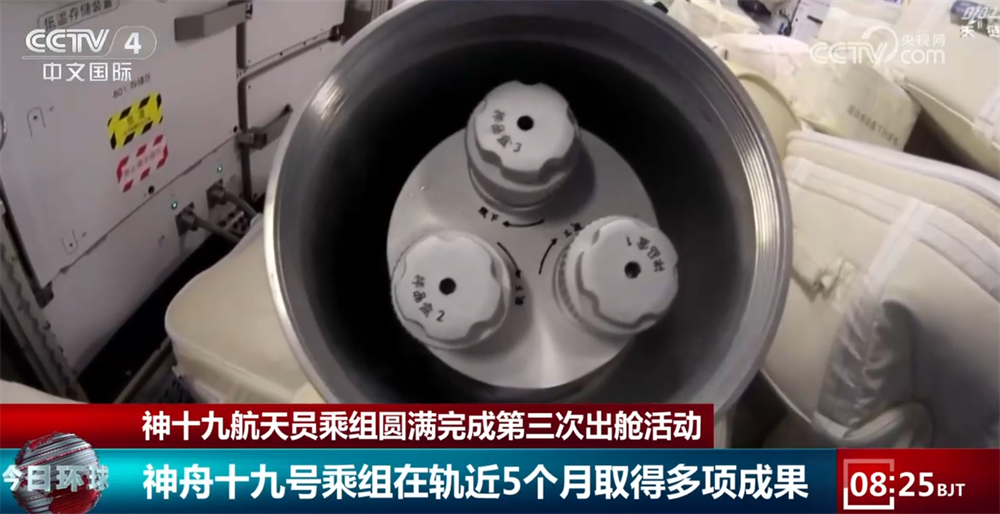
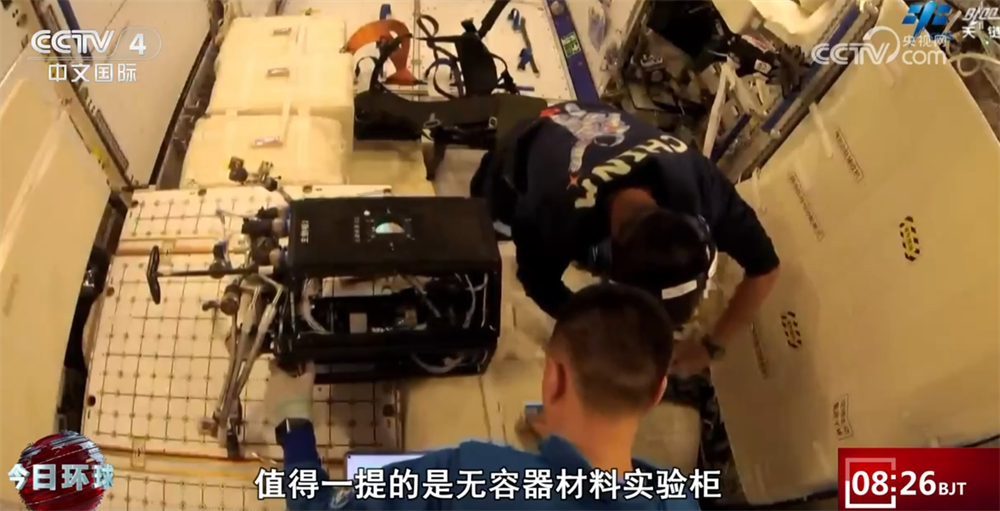
Wang Yifeng, an engineer at the Center for Space Application Engineering and Technology of the Chinese Academy of Sciences, said: "It is worth mentioning that the container-free material experimental cabinet will carry out experimental projects with a maximum temperature of 3,000 degrees Celsius in the near future. In the field of microgravity fluid physics and combustion science, we have cooperated with the ESA to carry out related projects for soft matter and complex fluids. We both use different experimental conditions of the Chinese Space Station and the International Space Station to conduct scientific research in related fields complementary areas, and can conduct relevant explorations more in-depth and extensive."
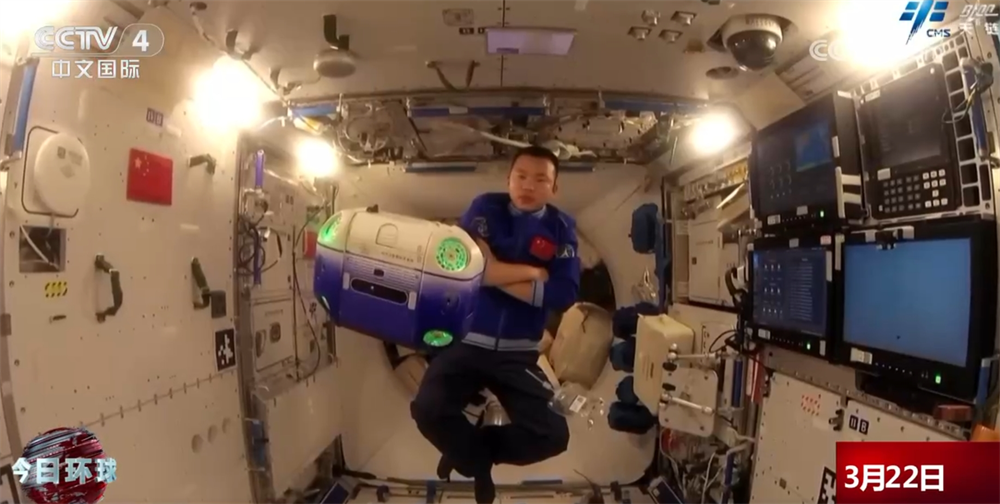
In the field of aerospace medicine, in response to the physiological effects of weightlessness, from physical to psychological, physiological to biochemistry, focusing on the heart, bone, muscle, mood, etc., dynamic electrocardiogram monitoring, bone density tracking, four Chinese medicine diagnosis instruments and other means of combining traditional Chinese and Western medicine have been established to establish a new health assessment system in microgravity environment.
China successfully launched Yunyao 1 43-48 satellites
At 19:07 Beijing time on March 21, 2025, China used the Ceres One carrier rocket at the Jiuquan Satellite Launch Center to successfully launch Yunyao 1 43 to 48 satellites. The satellite successfully entered the predetermined orbit, and the launch mission was a complete success. This mission is the 19th flight of the Ceres One carrier rocket.