CCTV News: When getting on the highway and entering the Third Ring Road, Beijing is orderly promoting autonomous vehicles to enter a larger range and broader scenario, which has also become a microcosm of China's promotion of large-scale test and verification of autonomous vehicles. With the continuous improvement of laws and regulations, the mass production of autonomous driving cars is also on the verge of being on the verge of being a big deal. How far is the "smart car" from consumers?
CCTV reporter Song Da: What does it feel like to sit in an autonomous car on the highway? Let me experience it together today.
The reporter placed an order on his mobile phone and quickly made an appointment for a flight delivery vehicle from Beijing Yizhuang to Daxing Airport. According to the current policy, the driver of a car on the expressway is equipped with a safety officer.
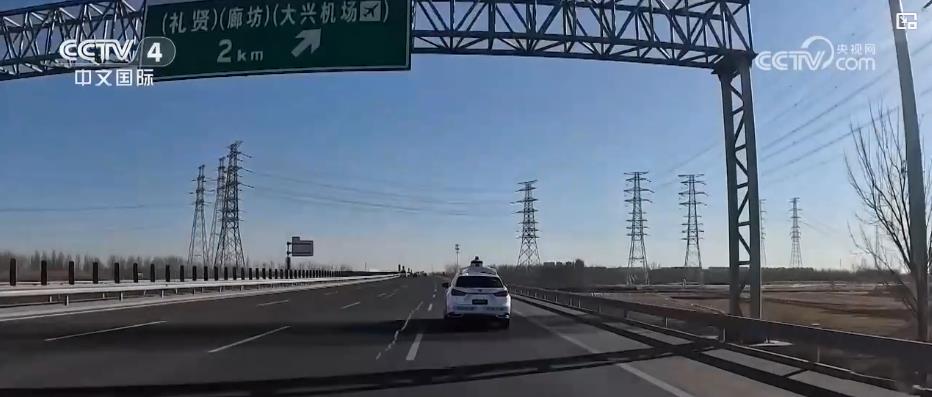
CCTV reporter Song Da: We are driving on the highway of Daxing Airport. The current speed screen shows 120 kilometers per hour, but the car is still very stable, and there is no obvious difference compared to the driving cars. Half a year ago, commercial autonomous vehicle operation services were launched between Beijing Daxing Airport and Yizhuang. Just a few days ago, Beijing South Railway Station also launched related services, which means that commercial autonomous driving "taxis" cover areas within the Third Ring Road in Beijing for the first time.
As the continuous expansion of commercial operation scenarios and scope, what are the consumption intentions and travel experiences of citizens?
Safety is the most concerned topic for autonomous driving users. Under meticulous safety regulations, Beijing is constantly promoting road testing and passenger demonstration of autonomous vehicles.
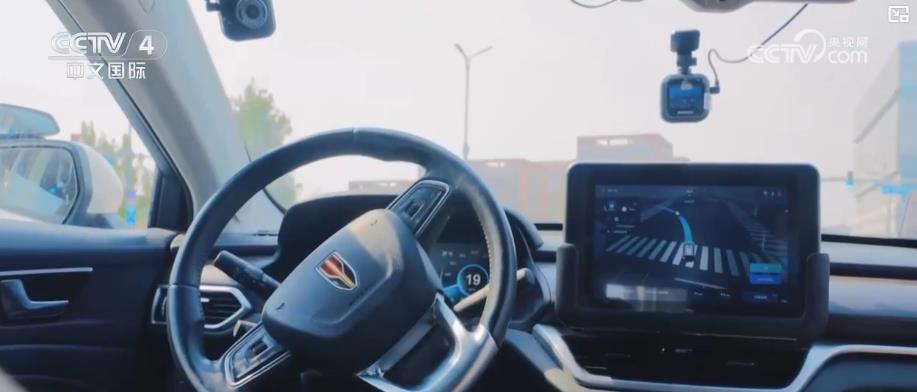
The reporter found in Yizhuang that many vehicles operating in designated areas are no longer equipped with safety officers.
CCTV reporter Song Da: The Beijing Autonomous Driving Vehicle Regulations, which everyone is very concerned about, will officially come into effect from April 1 next month. Compared with the initial draft for soliciting opinions, the regulations after the issuance have added the application scenario of "personal passenger car travel", which has opened a new door for individual consumers to "drive with their cars".
In the future, after the relevant policies are implemented, laws and regulations and supporting facilities are improved, some driverless private cars will be expected to be released.
So, are consumers willing to own a driverless private car?
In the future, how will autonomous vehicles drive consumption growth? Can it become the "next trend"?
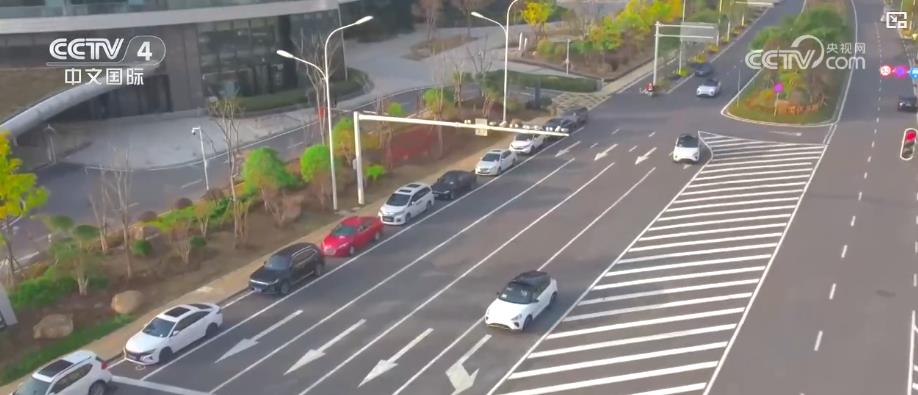
CCTV reporter Song Da: Self-driving cars will drive the growth of consumption in many aspects in the future. For example, in the future, people will choose to share autonomous vehicles more than buy private cars, which will drive the development of the sharing economy. For example, with the decline in costs and the increase in efficiency, people's travel needs will increase, especially their interest in travel and vacations and long-distance travel. Self-driving cars will also drive the growth of consumption of related companies in the automobile industry chain, and at the same time drive the construction of smart cities.
Guo Yingfeng, associate researcher at the Macroeconomic Research Department of China International Economic Exchange Center: This is an intelligent driving system in one aspect; the second is the intelligent driving cockpit, which is also very large; the other is the service support brought by the data flow generated by intelligent connected vehicles, which is also very large in the market. L4 (highly autonomous driving technology) is expected to be popularized after 2030. By that time, this may be a huge market.